Finding the Ideal Remodeling Contractor: Critical Questions You Should Ask
Choosing the ideal remodeling contractor is vital for the completion of any home renovation project. Many homeowners fail to recognize the importance of asking the right questions. It's not just about cost; reliability, experience, and communication play important roles. Understanding these factors can help secure a seamless process. Still, knowing which questions to ask can be difficult. What factors should be considered when evaluating potential contractors? The following are essential points to assist with the evaluation process.
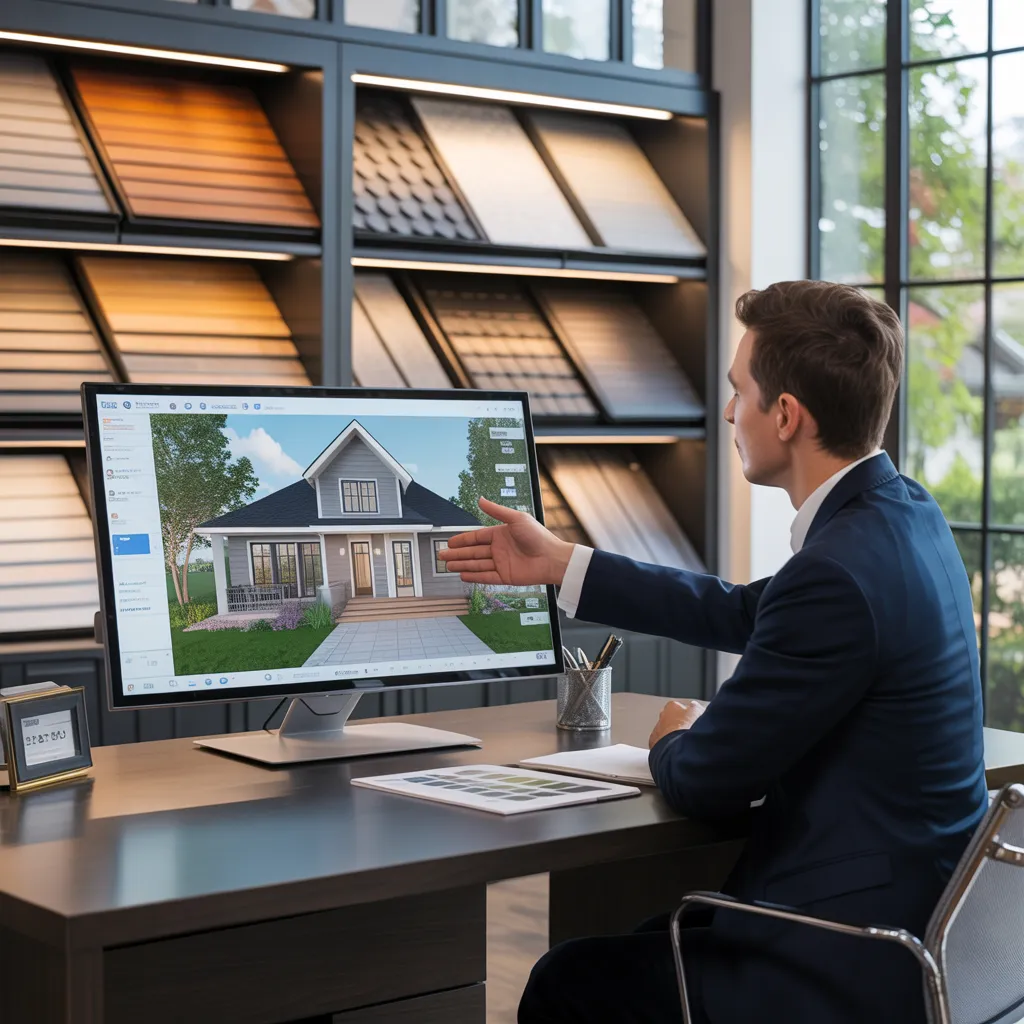
The Importance of Choosing the Right Remodeling Contractor
Picking the best remodeling professional is essential, as the result of a remodel can significantly impact both the function and aesthetic of a house. A skilled contractor ensures that projects are executed efficiently, following timelines and budgets. Their expertise can enhance the overall quality of work, resulting in a living area that fulfills the homeowner's expectations and requirements.
Additionally, a experienced contractor promotes effective communication, responding to concerns and offering updates throughout the renovation process. This level of openness cultivates trust and enables changes as required. Moreover, picking the ideal contractor reduces the likelihood of potential problems, such as design flaws or structural problems, which can arise from insufficient professional experience. At the end of the day, the decision of contractor can shape not only the direct fulfillment from the improvement but also the enduring value and appreciation of the property, highlighting the importance of making an informed decision.
What Certifications Should Your Remodeling Contractor Hold?
A well-qualified remodeling contractor should have a variety of credentials that showcase their skill and dependability. Key certifications include state licenses, which affirm adherence to local regulations and building codes. Additionally, industry certifications from organizations such as the National Association of the Remodeling Industry (NARI) or the National Kitchen & Bath Association (NKBA) demonstrate specialized training and adherence to best practices.
Proper insurance, particularly workers' compensation and liability, is essential, safeguarding both the homeowner and the contractor from unforeseen financial burdens. Furthermore, a comprehensive portfolio showcasing previous projects can reveal important details about the contractor's skill and aesthetic sensibility.
Membership in industry associations reflects a devotion to the profession and continuous education. Finally, consumer safety credentials, such as a BBB accreditation, can add an extra layer of confidence regarding the tradesperson's credibility and operational standards. Collectively, these qualifications confirm that residents select a skilled and dependable professional.
How to Verify Contractor References and Reviews
When selecting a renovation contractor, checking references and reviews is crucial for guaranteeing quality results. Prospective clients should explore online platforms for feedback and ratings, as well as connect with former clients personally to gather firsthand perspectives. This method can substantially shape decisions and uncover potential concerns.
Explore Online Platforms
How do potential clients confirm a remodeling contractor's reliability? A great strategy is to explore multiple online platforms that specialize in contractor reviews. Platforms such as Yelp, Angie's List, and Houzz provide a rich source of information, including client ratings and in-depth feedback. Prospective clients should identify trends in reviews, paying attention to both favorable and unfavorable experiences. A contractor who maintains high ratings and receives constructive feedback is generally a trustworthy option. Moreover, social media networks can reveal useful information about a contractor's recent work and client relationships. Engaging with online forums or community groups can also yield valuable recommendations. By utilizing these valuable resources, clients are empowered to make educated choices, guaranteeing a credible and capable remodeling contractor for their undertakings.
Reach Out to Previous Clients
What measures can clients follow to verify the reliability of a remodeling contractor? An excellent strategy is to speak with previous clients to gain valuable perspectives. It is advisable for clients to ask for a reference list and personally contact former customers regarding their experiences. Essential questions should cover the project's timeframe, adherence to budget, and how the contractor communicates with clients. It's also advisable to ask whether the clients would hire the contractor again. Furthermore, clients are encouraged to seek out reviews on independent platforms to obtain an unbiased viewpoint. Through collecting varied opinions, clients are better positioned to evaluate the contractor's dependability and workmanship. This thorough vetting process can markedly reduce the risk of dissatisfaction in remodeling projects.
Exploring the Average Remodeling Project Timeline
Comprehending the general timeline of a remodeling project is essential for property owners to manage expectations. This section will describe the multiple phases of the remodeling process, point out frequent setbacks that might emerge, and describe the concluding inspection process. By understanding these key aspects, individuals planning a remodel can better navigate their remodeling journey.
Summary of Project Phases
A conventional remodeling project develops across a series of well-defined stages, each essential for guaranteeing a successful transformation. The first stage centers on planning and design, where homeowners collaborate with contractors to outline the scope, budget, and timeline. When the plans are fully developed, the next phase is obtaining necessary permits and approvals, which may differ depending on local regulations.
After this, the construction phase begins, defined by demolition, structural work, and installation of new elements. This period typically necessitates consistent interaction between the contractor and the homeowner to handle any modifications or issues. Finally, the project comes to completion with a comprehensive review and walkthrough to verify that everything satisfies the predetermined expectations. Each phase plays a critical role in the complete success of the remodeling effort.
Common Delays in the Timeline
Prompt completion of a renovation project may be considerably influenced by a range of delays, which often arise during different stages of the process. Frequent contributing factors include permit-related complications, where local regulations may prolong approval times. Material availability also plays a critical role; postponements in supply orders can slow momentum. Unforeseen structural problems, such as hidden water damage, may necessitate additional time for repairs. Climate factors can additionally interfere with timelines, especially for exterior work. Moreover, shortages in available labor may cause setbacks in hiring experienced contractors. Open correspondence between the remodeler and the client is fundamental, because confusion surrounding the range of the project may also add to prolonged schedules. Understanding these potential delays can help homeowners set realistic expectations for their remodeling projects.
Complete Walkthrough Procedure
How does the final walkthrough signify the culmination of a remodeling project? This essential step allows homeowners to inspect the completed work, ensuring it meets their expectations and aligns with the initial plans. Throughout the walkthrough, the contractor and homeowner go over every aspect, from surface finishes to operational functionality. This serves as the chance to pinpoint any inconsistencies or concerns that require resolution before the final payment is made. Homeowners ought to bring a thorough checklist along with any pertinent documentation associated with the project. A productive final walkthrough not only validates satisfaction but also strengthens the bond between the contractor and homeowner. Proper communication and transparency during this phase can prevent misunderstandings, paving the way for future collaborations or recommendations.
Understanding Your Budgeting and Payment Options
Smart budgeting is vital for those beginning a renovation project, as it sets the foundation for financial organization and informed decisions. Homeowners should begin by determining a practical budget that encompasses all potential costs, including supplies, workforce expenses, and unplanned costs. It is recommended to set aside an extra 10-20% for contingencies to cover unforeseen issues that may arise during the renovation.
When discussing payment options with construction professionals, home improvement clients should look into billing schedules, which can vary greatly. Many contractors may require a initial payment in advance, with the remainder due at key project stages or upon completion. Knowing these arrangements helps property owners to handle their finances efficiently.
In addition, homeowners can investigate financing options, including home equity financing or personal loan options, to help offset the overall costs. Open and transparent communication about budget expectations and payment solutions with the contractor of choice helps ensure that budgetary expectations are in agreement, minimizing the chance of disagreements down the line.
How Do They Keep You Informed?
Open dialogue about budgeting and payment arrangements establishes the foundation for ongoing updates throughout the remodeling process. A reputable contractor should establish a structured method for keeping clients informed. This can include regular meetings to discuss progress, whether in person or through video calls. Written reports may also be provided, outlining completed work and forthcoming tasks.
In addition, leveraging digital tools continues to gain momentum. Builders could utilize specialized project management platforms that lets clients oversee timelines and milestones instantaneously. This transparency fosters trust and guarantees that clients stay involved during the entire project.
Furthermore, prompt alerts about changes of any kind—regardless of whether they concern schedules, materials, or unforeseen problems—remain essential. By addressing these elements, a renovation contractor reflects their devotion to professional workmanship and client fulfillment, ensuring a well-informed and cooperative renovation process.
What Warranties and Guarantees Are Available to You?
What warranties and guarantees should homeowners look for when engaging a remodeling contractor? Generally, contractors provide two main types: workmanship warranties and product warranties. Workmanship guarantees protect homeowners regarding the quality of the contractor's craftsmanship, often lasting from one to ten years, depending on the company and project scope. Such warranties guarantee homeowners that any issues arising from improper installation will be corrected at no extra charge.
Product guarantees, by comparison, apply to the materials employed in the renovation. These warranties are typically provided by manufacturers, and they can span a limited number of years up to a lifetime, depending on the product type. It is advisable for homeowners to ask about the precise conditions of each warranty, encompassing the scope of coverage, the length of coverage, and any conditions that might void them. Being informed about these warranties can help homeowners make informed decisions and protect their investment in the remodeling process.
Common Questions and Answers
What Is the Contractor's Favored Method of Communication Throughout the Project?
The contractor opted for frequent email correspondence, supplemented by scheduled weekly calls for detailed discussions. They prioritized open communication, ensuring all project stakeholders remained informed and engaged throughout the remodeling process, cultivating a team-oriented environment.
How Do They Address Unexpected Challenges or Changes?
They usually analyze the conditions, consult with the homeowner, and propose solutions. Skilled contractors demonstrate adaptability, making certain that modifications support project objectives while reducing interruptions, thereby fostering a collaborative environment amid unforeseen obstacles.
Can You Supply a Comprehensive Written Estimate?
A comprehensive written estimate should itemize all project costs, such as materials, labor, and timelines. This level of transparency helps clients understand expenses and prevents misunderstandings, ensuring both parties are aligned prior to the remodeling starting.
What Safety Practices Do They Enforce On-Site?
The contractor implements various safety precautions at the worksite, which include protective gear for workers, safety signage, routine equipment inspections, and adherence to local regulations, establishing a protected environment that minimizes risks for workers and homeowners alike.
How Do They copyright Local Building Code Requirements?
They ensure compliance with evidence local construction standards by staying updated on regulations, securing all essential permits, and carrying out consistent inspections throughout the project. This forward-thinking strategy minimizes potential risks and guarantees conformity with legal and safety requirements.